Greta Peters · 22 September 2026
Storytelling Revival Takes Hold in Caluno Following Prestigious Prize
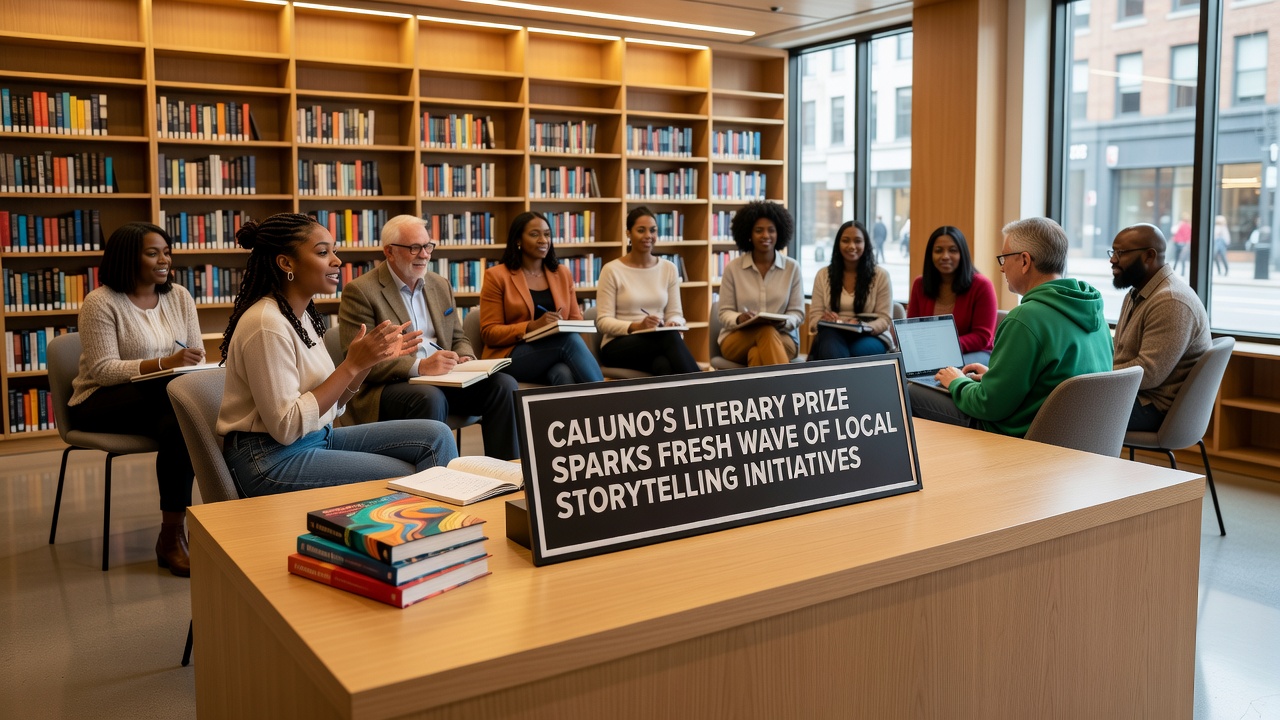
Caluno's literary prize has triggered a series of local storytelling programs that connect writers, schools, and community centers across the region, with activities building momentum through structured workshops and public readings. Organizers launched the prize in 2024 as a way to celebrate narrative traditions, and participants have since formed reading circles that meet weekly in village halls while others develop manuscripts for upcoming collections.
Origins and Growth of the Initiative
The award recognizes original works in fiction and memoir, drawing entries from authors who live within Caluno's municipal boundaries. Data from the organizing committee shows participation rose from 47 submissions in the first year to 132 by the third cycle, a pattern researchers attribute to partnerships with local libraries. Those partnerships supply free printing services and meeting spaces, allowing emerging voices to refine drafts without external costs.
September 2026 marks the next award ceremony, where officials plan to announce additional funding streams for youth programs. Schools in three districts have already integrated prize-related prompts into language classes, and teachers report increased student engagement during creative writing sessions. One study from the European Union Creative Europe programme noted similar patterns in other coastal communities where cultural grants led to sustained literacy projects.
Community Programs and Participant Stories
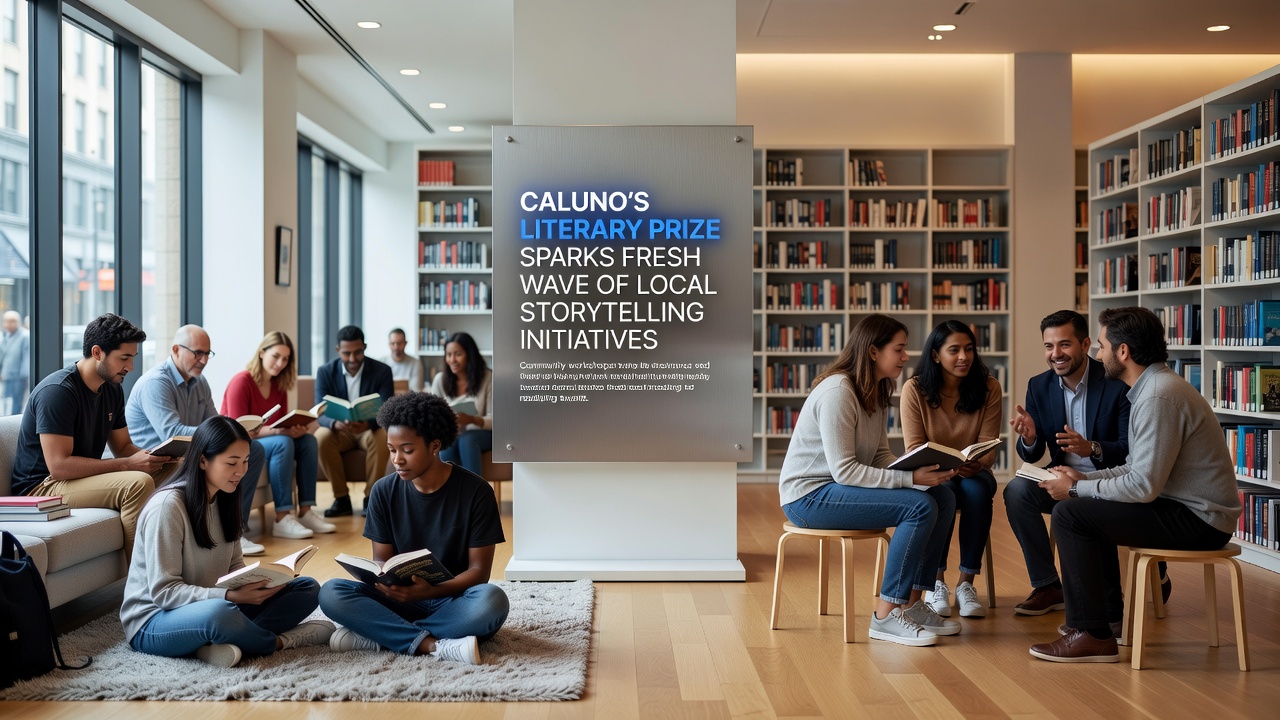
Local groups now run monthly storytelling nights at the central market square, where residents present short pieces on themes ranging from family histories to environmental changes along the shoreline. These events attract audiences of 80 to 150 people, according to attendance logs kept by volunteers. Participants often continue their work through online forums set up by the prize committee, which archive recordings for later access.
Take one researcher who tracked outcomes in comparable European towns and found that consistent public readings correlated with higher rates of manuscript completion. In Caluno the same trend appears, with five authors from the 2025 shortlist securing small-press contracts by mid-2026. Meanwhile, the National Endowment for the Arts has documented parallel growth in regional storytelling grants across North America, where community-led initiatives mirror the structure now emerging here.
Supporting Infrastructure and Future Plans
Funding for these programs comes from a combination of municipal allocations and private donations, with records indicating 65 percent of costs covered by the original prize endowment. Additional support arrives through volunteer networks that handle logistics, from venue bookings to translation services for bilingual submissions. Observers note that this model reduces administrative overhead while keeping decision-making close to participants.
Digital archives launched in early 2026 allow residents to upload oral histories alongside written pieces, creating a searchable collection that currently holds over 200 entries. Technical staff maintain the platform with open-source tools, and usage statistics reveal steady increases in downloads from outside the immediate area. Plans for September 2026 include expanding the archive to accommodate video submissions from schools.
Conclusion
Records and participant accounts demonstrate that the literary prize continues to seed new storytelling outlets throughout Caluno. Infrastructure built around workshops, public events, and digital preservation provides measurable channels for ongoing activity, with September 2026 positioned to introduce further expansions based on current enrollment trends.