Greta Peters · 2 September 2026
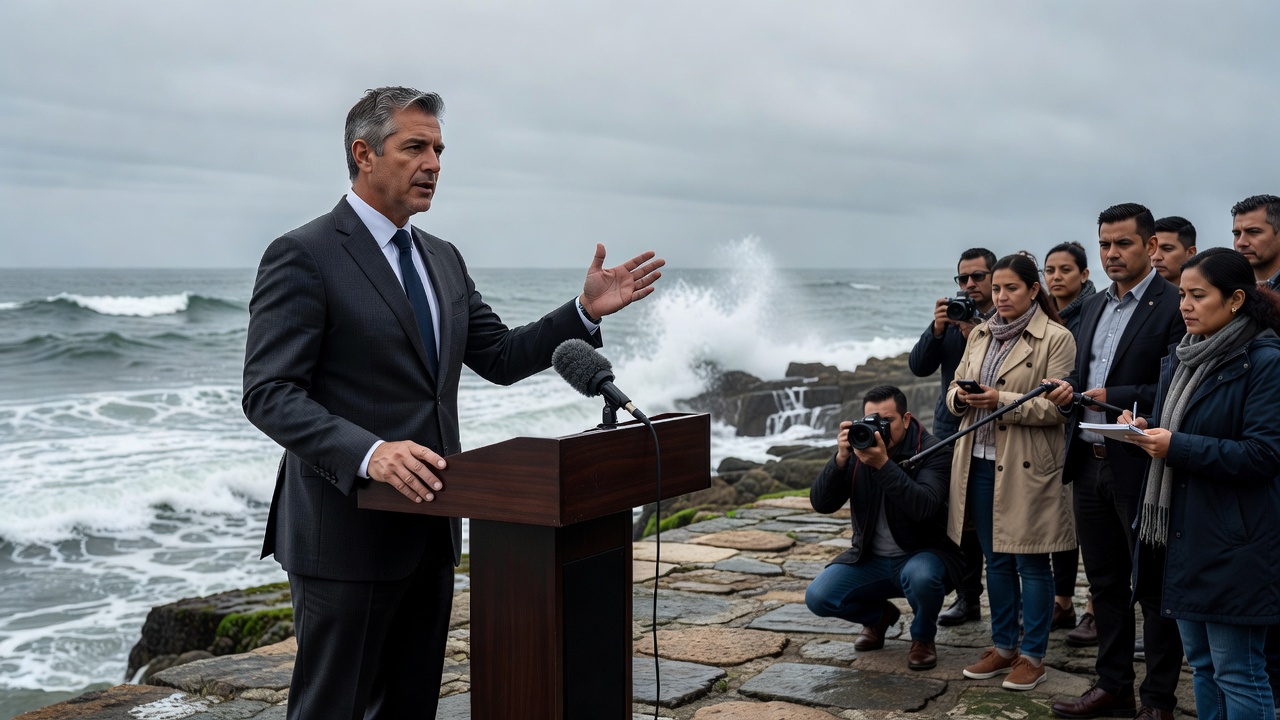
Mayor Elena Vargas of Caluno has submitted a detailed budget proposal to the regional council aimed at strengthening coastal defenses against erosion and flooding. The initiative allocates 4.8 million euros over three years for infrastructure upgrades along the 25-kilometer shoreline. Officials cite recent data showing a 12 percent increase in storm-related damage costs since 2020. The plan emphasizes sustainable engineering solutions to safeguard residential areas, tourism sites, and agricultural lands near the coast.
Key Elements of the Budget
The proposal breaks down funding into several categories. Approximately 2.1 million euros will support construction of reinforced seawalls and groins at high-risk points. Another 1.4 million euros targets beach nourishment projects using dredged sand to restore natural barriers. The remaining funds cover installation of real-time monitoring sensors, habitat restoration for local wildlife, and public awareness campaigns on coastal resilience. Vargas stated that these measures could reduce annual flood damages by up to 60 percent based on modeling from the regional environmental agency. Partnerships with national coastal authorities are expected to provide matching grants. Council members will review the proposal during budget hearings next month.
Community and Economic Considerations
Local business owners in the tourism sector have welcomed the focus on long-term protection, noting that stable beaches support seasonal revenues exceeding 30 million euros. Environmental groups praise the inclusion of ecosystem-based approaches but urge stricter limits on development in vulnerable zones. Some residents have raised concerns about potential property tax increases to cover the municipal share of costs. Independent analyses project that avoided damages from major storms could yield net savings within seven years. The mayor's office plans additional public consultations to refine priorities before final approval. Implementation, if passed, would begin in the first quarter of the upcoming fiscal year with phased construction to minimize disruptions.