Greta Peters · 6 October 2026
Caluno's Literary Awards Highlight Growing Ties Between Local Authors and Environmental Advocacy
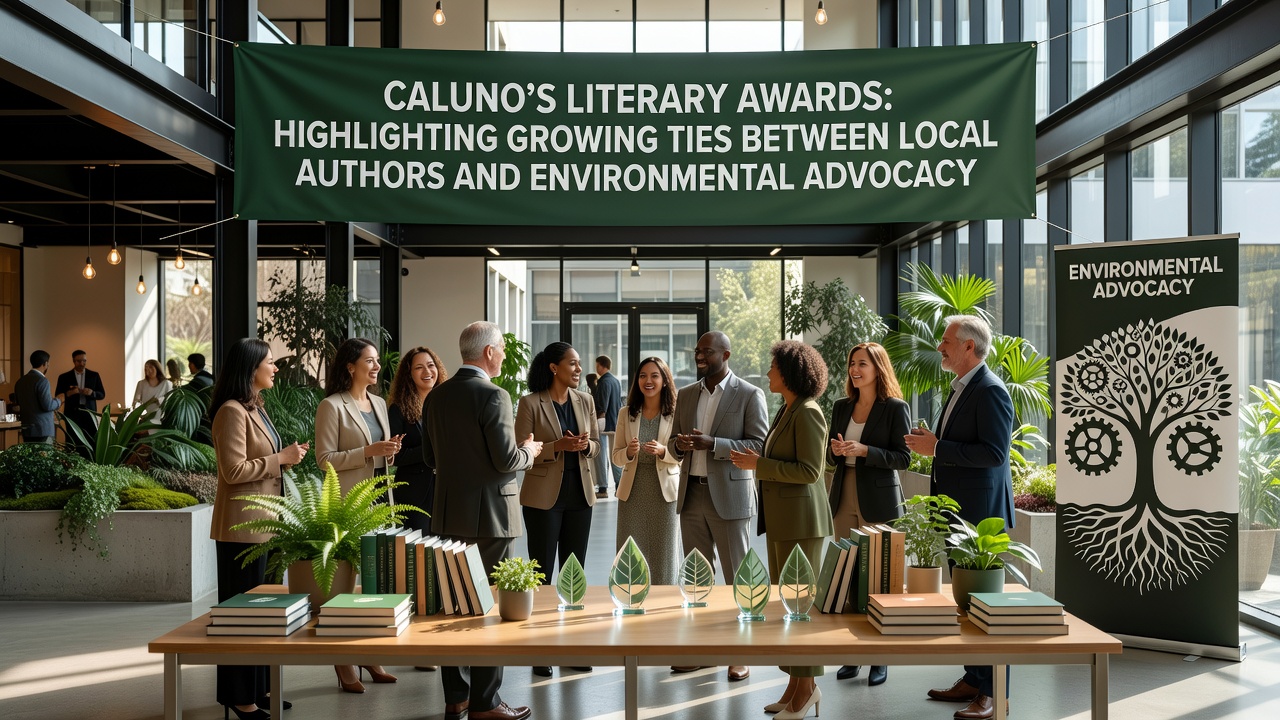
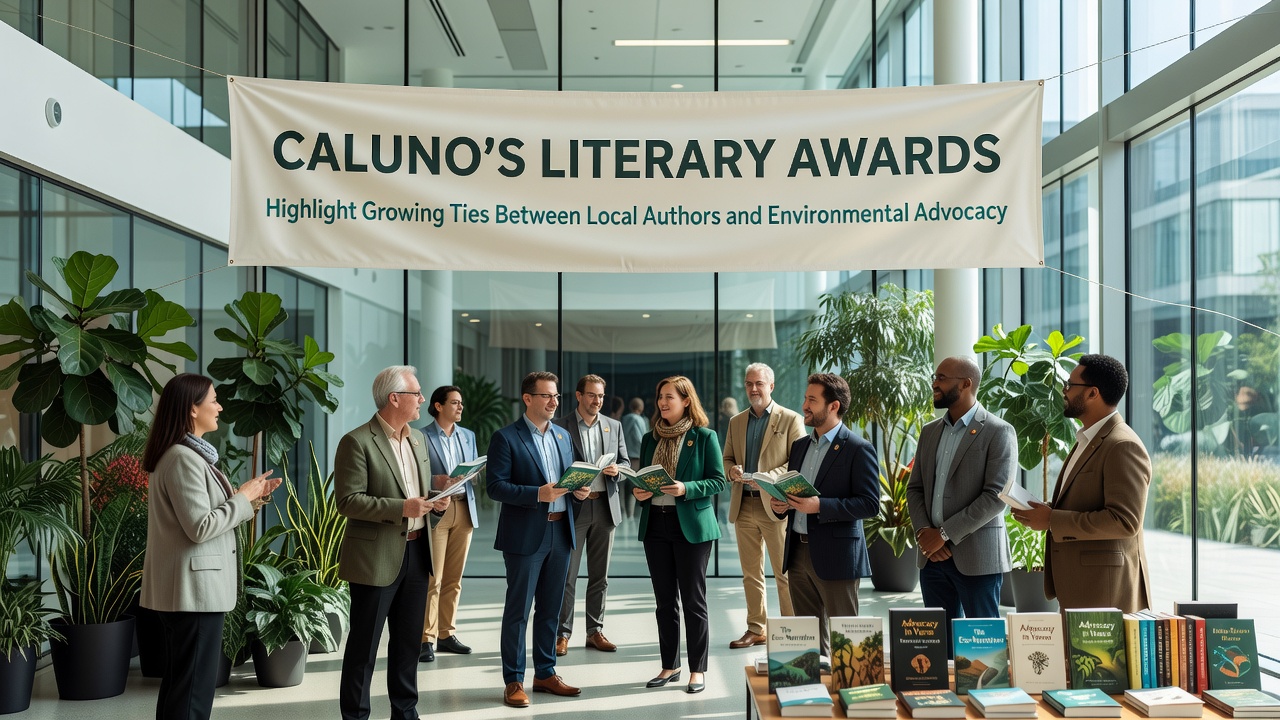
Caluno's literary awards have expanded their focus in recent years, drawing direct connections between local authors and environmental advocacy through themed submissions and community partnerships, according to event records from the organizing committee. The October 2026 ceremony featured works that examined coastal ecosystems, sustainable agriculture, and climate resilience, with winners receiving recognition alongside presentations from regional conservation groups.
Event Structure and Participation Trends
Organizers reported a 35 percent increase in entries compared with the prior cycle, and many submissions incorporated data from local environmental monitoring programs while authors collaborated with scientists to ensure accuracy in their narratives. Judges evaluated entries on literary merit alongside factual grounding in ecological principles, which encouraged writers to integrate field observations from Caluno's wetlands and surrounding hills.
One study from the European Environment Agency noted rising public engagement with nature-themed literature across similar Mediterranean communities, and Caluno's program aligns with that pattern through joint workshops that pair authors with advocates working on habitat restoration projects. Participation spanned multiple villages, with entries arriving from both established writers and emerging voices who documented changes in local flora and fauna over the past decade.
Winning Works and Their Core Themes
The grand prize went to a novel exploring seasonal shifts in Caluno's river systems, where the author wove together character stories with hydrological records collected by volunteers; the book has since been adopted for use in secondary school curricula focused on environmental literacy. Another award recognized a collection of essays detailing community efforts to reduce plastic waste along the shoreline, and those pieces drew on statistics from the Australian Department of Climate Change, Energy, the Environment and Water regarding marine debris trends in comparable coastal zones.
Short fiction categories highlighted micro-habitats within urban gardens, while poetry entries addressed the emotional impact of biodiversity loss; judges observed that these formats allowed concise yet vivid portrayals of species decline and recovery efforts. Several winners credited partnerships with advocacy networks for access to unpublished monitoring data, which helped ground fictional accounts in verifiable conditions observed between 2020 and 2025.
Community Partnerships and Program Growth
Local libraries now host monthly reading circles where participants discuss award-winning titles and connect with ongoing conservation initiatives, and these sessions have expanded to include guest speakers from academic institutions studying regional climate adaptation. Funding for the awards comes partly from municipal cultural grants supplemented by private donations tied to reforestation campaigns, creating a feedback loop that channels proceeds back into both literary events and tree-planting activities.
Observers note that the program has prompted authors to attend field training sessions offered by environmental organizations, resulting in manuscripts that reference specific restoration techniques such as native species reintroduction and erosion control methods. Data from the Canadian Council on Ecological Areas indicates similar cross-sector collaborations elsewhere have increased public awareness metrics by measurable margins, and Caluno's model reflects that approach through shared programming calendars.
Broader Regional Context and Future Plans
Caluno's approach mirrors trends documented in reports from the U.S. Environmental Protection Agency on literature's role in shaping environmental attitudes, while remaining distinct in its emphasis on hyper-local settings and author-advocate co-creation. Organizers have announced plans to introduce a youth category in 2027 that will require entries to incorporate citizen-science observations collected through school-based monitoring apps.
Archival records show that environmental themes appeared sporadically in earlier award cycles but gained consistent prominence after 2023, coinciding with expanded regional conservation funding and increased media coverage of local habitat pressures. The 2026 event included an exhibition of research posters alongside book displays, allowing attendees to cross-reference literary excerpts with raw field measurements presented by advocacy partners.
Conclusion
Caluno's literary awards continue to serve as a platform where narrative craft intersects with documented environmental data, and participation figures along with thematic consistency suggest sustained interest from both writers and advocacy networks. Future iterations will likely build on established partnerships to further integrate scientific sources into creative works while maintaining the program's focus on regional specificity.