Yara Washington · 20 October 2026
Caluno's Cultural Center Sparks Collaborations Between Farmers and Literary Winners to Tackle Drought
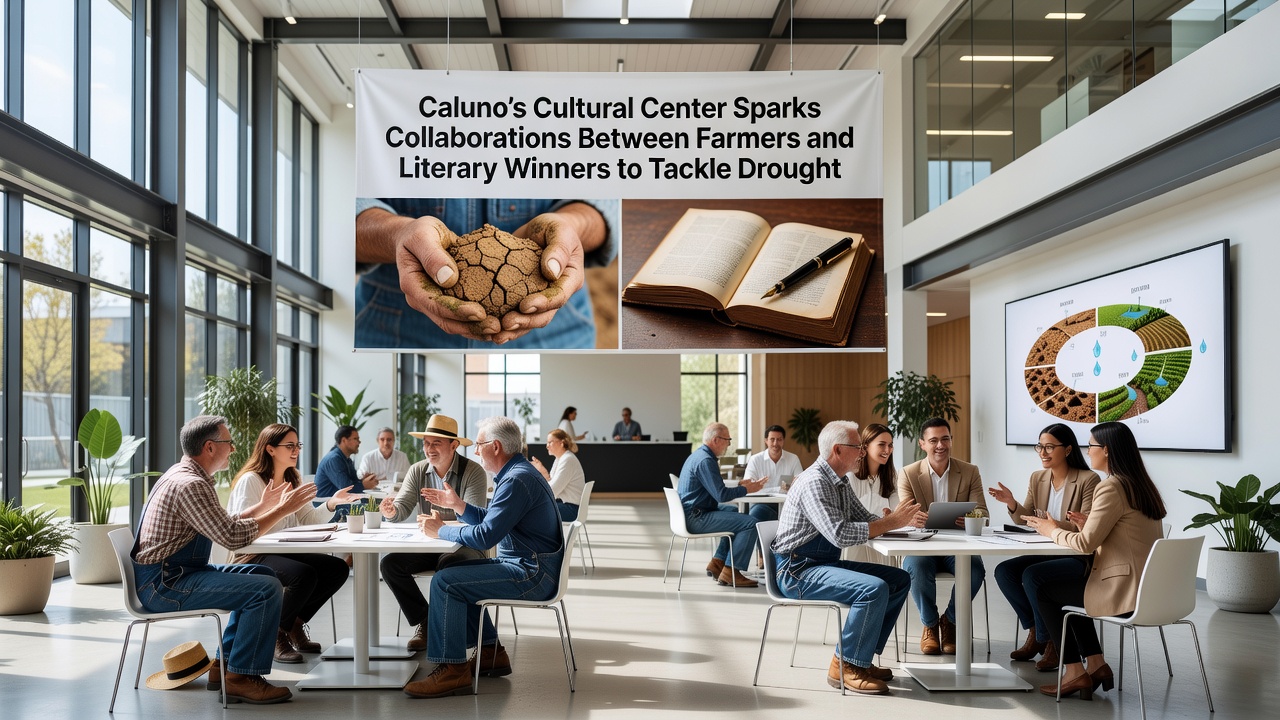
Caluno's Cultural Center has become the hub for joint projects that pair local farmers with winners of major literary prizes, and these efforts focus on practical responses to ongoing drought conditions across the region. The center's programs began expanding in early 2025 when organizers noticed that award-winning authors often explored environmental themes in their work while farmers faced direct challenges from water scarcity.
Program Structure and Early Developments
Organizers at the center designed workshops where literary winners contribute narrative techniques to document and communicate farming innovations, and farmers in turn provide real-world data on irrigation methods and crop resilience. These pairings operate through structured sessions that run for several months at a time, with participants meeting weekly to review case studies from affected fields. Data from the European Environment Agency shows that parts of southern Europe experienced prolonged dry spells between 2023 and 2025, prompting communities like Caluno to seek cross-sector approaches.
One initiative pairs a novelist who received the European Book Prize with a cooperative that grows olives and grapes, and the two groups developed a series of community readings that highlight water conservation techniques drawn from traditional practices. Participants report that the literary component helps translate technical details into accessible stories that reach wider audiences during public events.
October 2026 Events and Expanded Reach
Planning for October 2026 centers on a month-long series of public forums and field demonstrations that will bring additional literary winners to Caluno for extended stays. The schedule includes joint presentations at the cultural center followed by visits to demonstration plots where farmers test drought-resistant seed varieties. Organizers expect more than two hundred attendees across the events, drawing from nearby villages that share similar agricultural concerns.
These October activities build on smaller pilot projects completed earlier in the year, and they incorporate feedback from participants who noted the value of combining written accounts with on-site observations. A research team from the University of Melbourne's drought resilience program has contributed comparative data on Australian farming adaptations, which the Caluno groups use to benchmark local results.
Methods of Collaboration and Measurable Outcomes
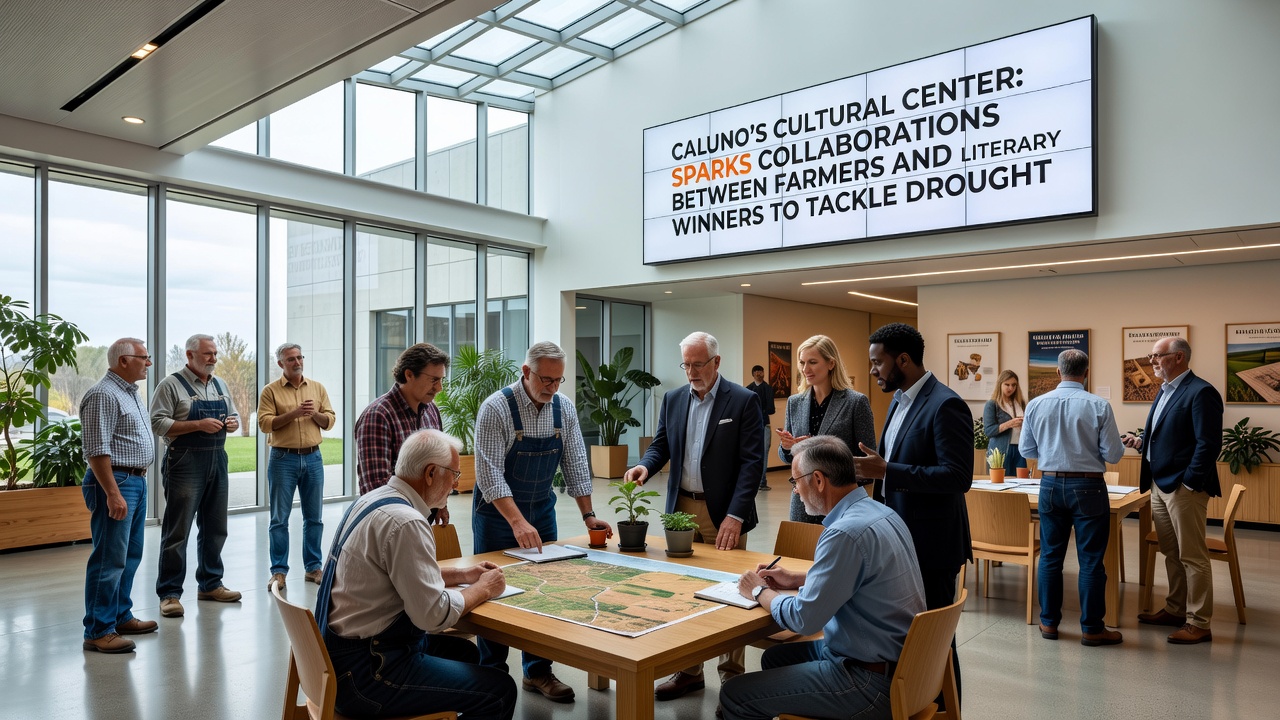
Collaborations follow a consistent format that begins with shared mapping of water usage patterns, continues through story circles where farmers recount seasonal changes, and ends with co-authored reports distributed to regional agricultural offices. Literary winners adapt their skills to shape these reports into clear, engaging formats without altering the underlying data. Figures released by the Food and Agriculture Organization indicate that integrated storytelling approaches have supported higher adoption rates of conservation practices in several Mediterranean communities over the past decade.
Local records show that participating farms reduced average water application by measurable percentages after implementing techniques discussed during the sessions, and the center tracks these changes through quarterly submissions. The literary component extends the reach of these findings by turning them into short publications available at community libraries and online portals run by the center.
Broader Regional Connections
Caluno's model has attracted attention from neighboring areas that face comparable drought pressures, and representatives from those districts have visited the center to observe the process. The collaborations emphasize evidence-based adjustments rather than experimental claims, and they maintain ties with agricultural extension services that verify outcomes. Observers note that the involvement of prize-winning authors adds visibility without shifting the focus away from practical farming needs.
Additional support comes from regional funding streams dedicated to climate adaptation, which cover venue costs and materials for the workshops. The center maintains a schedule that alternates between indoor planning meetings and outdoor demonstrations to keep the work grounded in actual field conditions.
Conclusion
Caluno's Cultural Center continues to refine its approach by reviewing participant feedback after each cycle and adjusting session formats accordingly. The partnerships between farmers and literary winners produce documented resources that circulate through local networks, and the October 2026 program will test whether these methods scale effectively to larger groups. Records kept at the center provide a clear account of activities and results that others can examine for their own planning purposes.